


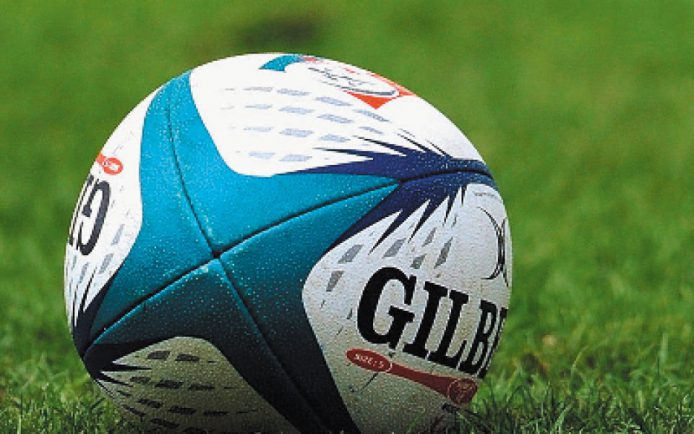
RUGBY puts a lot of strain on the body. There is little time to rest during sprinting, tackling, rucking, and frequent collisions. The appropriate clothing is more important in that kind of situation than most people realise. Players can concentrate on the game rather than being annoyed or uncomfortable by wearing comfortable, purpose-made rugby tops that help keep perspiration to a minimum and maintain their shape.
The team uniform also has significance. A municipality, a school, or an established club can all be represented by colours and crests. Rugby shirts that are dependable and have a regular appearance become part of the team’s mentality when players wear them. It conveys harmony, standards, and a common goal. Flashy embellishments are not the essence of good design. Strong structure, reasonable materials, and practical features can enhance performance while preserving team identity.
Fit Built For Contact
A rugby top needs to be able to withstand grabbing, pulling and other harsh actions. Even though a loose cut feels comfortable, opponents may find it easier to grab. During strenuous carries, an extremely tight cut may limit shoulder movement or make breathing feel constricted. Security without rigidity is the goal of a balanced fit.
Comfort under pressure is impacted by seam placement. During repeated tackles, poorly positioned stitching may rub against the skin. A superior pattern keeps seams away from common friction points, such as the underarms and shoulders.
Length is also important. During a play break, a shirt that rides up can be a distraction. The top stays in place throughout scrums, mauls, and ground work thanks to a slightly longer hem and a sturdy neckline.
Fabric That Handles Heat And Sweat
The materials used in contemporary rugby shirts are often designed to wick perspiration away from the skin. This method lessens the sticky, heavy sensation associated with damp material. Additionally, it can keep players from becoming cold when the wind hits wet equipment during breaks.
There are other factors than thin fabric that affect breathability. Where heat accumulates most quickly, as beneath the arms or across the upper back, smart panel placement can increase ventilation. While the main body remains tougher for touch, such areas may employ a different knit or weave.
Durability is still important. Strong pulls, uneven surfaces, and frequent washing are all part of rugby. While colour should endure over time, fabrics must be resistant to tearing and pilling.
Freedom To Move Without Distraction
Uncomfortable body positions are a part of rugby. A player reaches for a high ball, wraps in a tackle, binds in a scrum, then pops up to support the next carry. All of these actions should be possible without a shirt tightening over the chest or pulling across the upper back.
Stretch can help, though control is important. The shirt may distort and become easy to grab if there is too much give. Movement is supported while maintaining shape when a good design is combined with a strategic amount of flexibility.
The design of the sleeves is important. Arm lift can be increased without pulling the collar or twisting the torso cloth when a cut follows the shoulder line.
Strength In The Areas That Take A Beating
The various sections of a rugby shirt are subject to varying degrees of strain. Shoulders face pulling in contact. During tackles, the side seams handle twisting and torsion. In mauls and scrums, collars experience tension. Damage and wear can be prevented or reduced by reinforcing these sections.
Thread quality and stitch type are important. A stronger seam is better able to withstand repeated stress without fraying. Additionally, a stronger seam keeps a shirt in place, promoting comfort all season long. These minor design decisions add up. Neck discomfort is reduced with a well-finished collar, and chafing during extended training sessions is less likely with a clean inner-seam finish.
Handling Conditions And Surface Grip
Rugby is played in cold, windy, and rainy conditions. When the ball touches the arms or chest, a slippery shirt may make it more difficult to control. Certain tops enhance grip without being harsh by adding a modest surface roughness to the outward-facing part of a top.
Comfort remains the top priority. The inside of the garment should feel smooth, especially in areas where rubbing occurs most frequently, like the armpits. A functional exterior surface with a softer inside feel is an ideal combination.
Forwards and backs frequently prefer different collar styles. A collar that maintains its firmness under pressure may be valuable to forwards. Backs may choose a lighter design to reduce weight and heat.
Visual Identity That Builds Belonging
Repetition creates a sense of team identity. Over time, colours, crests, and design cues become recognisable. Both athletes and fans value this familiarity. Pride and accountability can be strengthened by wearing the same outfit every week.
On the pitch, clear graphics might also be helpful. Quick recognition is important in broken play. Particularly during wide attacks or kick-chase scenarios, a clear colour scheme might facilitate quicker decision-making.
Local meaning can be conveyed through design. A stripe could represent the club’s history. A subtle pattern may allude to a location, a moniker, or an enduring custom. When done correctly, those subtleties add to the team’s image without taking attention away from the core design.
The Shirt As Tool And Symbol
Rugby tops occupy a unique position. In addition to signifying identification and pride, they must withstand changing weather conditions, physical contact, and frequent washing. Players are more comfortable and able to concentrate when the fit, fabric, and construction are geared towards performance. Rugby tops also help create a visual identity for players and fans to enjoy and take pride in.