


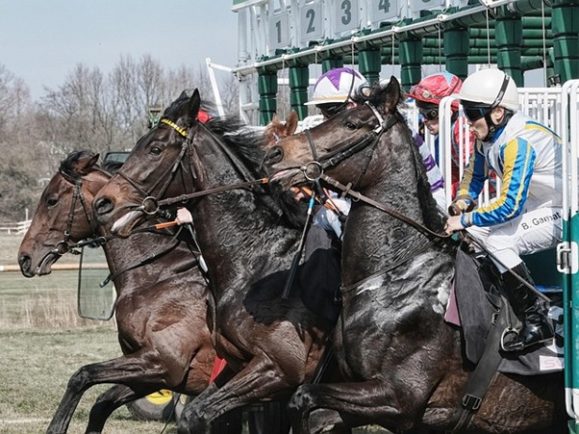
The 2026 Preakness Stakes will take place on May 16 at Laurel Park, as Pimlico Race Course undergoes renovation. This temporary shift adds a fresh layer of intrigue for new racing fans exploring the event for the first time. While the final field is still taking shape, several horses are already attracting attention based on recent performances and early betting markets.
For newcomers, the Preakness offers an exciting entry point into horse racing. Understanding how the race fits into the Triple Crown, along with the basics of wagering, can make the experience more engaging. This guide breaks down the essentials, helping new fans approach race day with clarity and confidence.
The History and Significance of the Preakness Stakes
The Preakness Stakes dates back to 1873, making it one of the oldest and most respected races in American horse racing. Traditionally held at Pimlico Race Course in Baltimore, it has long been recognized as the second leg of the Triple Crown, positioned between the Kentucky Derby and the Belmont Stakes. This placement gives it a distinctive role in shaping the narrative of each racing season.
For fans, the Preakness represents a continuation of the story that begins at Churchill Downs. Horses that run well in the Derby often return, while new challengers enter the field, creating a dynamic mix of contenders..
Its shorter distance compared to the Belmont and slightly longer distance than some prep races adds to its strategic importance. Over time, the Preakness has become a defining moment where momentum can either build or shift within the Triple Crown series.
Understanding Horse Racing Betting Basics for New Fans
For new fans, understanding how betting works is essential to engaging with the Preakness Stakes. Odds are typically displayed in formats such as 5/1 or 10/1, showing how much a player could win relative to their stake. Lower odds indicate favorites, while higher odds represent less favored contenders.
The most common wagers are win, place, and show bets. A win bet requires a horse to finish first. A place bet pays if the horse finishes first or second, while a show bet covers the top three positions. These straightforward options are often the starting point for beginners.
When exploring Preakness Stakes betting, players will see these options clearly listed on betting platforms. Learning to read the board and understand these basic wagers provides a strong foundation for participating in race-day activity.
Exotic Bets New Preakness Fans Should Know About
Beyond basic wagers, the Preakness Stakes offers a range of exotic bets that add depth to the betting experience. These wagers involve predicting multiple finishing positions, creating more complex and engaging outcomes. For new fans, understanding these options can enhance their interaction with the race.
An exacta requires selecting the first and second-place finishers in the correct order. A trifecta expands this to the top three, while a superfecta includes the first four. Each step adds complexity but also increases engagement with the race.
Another option is the daily double, where players pick winners from two consecutive races. These wagers encourage a broader view of the race card and create a more layered experience. As familiarity grows, many fans begin exploring these options to deepen their involvement.
Key Betting Trends That Shape Preakness Stakes Wagering
Several recurring trends influence how the Preakness Stakes betting landscape develops each year. One of the most significant is the Kentucky Derby’s impact. Horses that perform well in the Derby often attract attention in early Preakness markets, especially those showing strong finishing ability or consistent pace.
Late entrants also play a role in shaping the field. Horses that skip the Derby and target the Preakness can introduce new dynamics, often affecting odds and market perception. This creates a shifting environment where evaluations evolve as race day approaches.
Historical patterns also provide useful context. Favorites have enjoyed success in some years, while longshots have produced notable upsets in others. Understanding these trends helps new fans recognize how the betting landscape can change and what factors may influence outcomes.
How and Where New Fans Can Bet the Preakness
In 2026, placing a bet on the Preakness Stakes is more accessible than ever. Online platforms offer straightforward interfaces that let players view odds, select horses, and place wagers. These platforms are designed to make navigation simple, even for first-time users.
To begin, players typically create an account, browse the available races, and choose their preferred wager type. Odds and betting options are displayed clearly, allowing users to make selections with ease. Many also provide race previews and performance data to support decision-making.
Mobile compatibility ensures that players can engage with the race from anywhere. This accessibility has made the Preakness more approachable for new fans, allowing them to follow developments in real time while participating in the event.
Preparing for Race Day
As the Preakness Stakes approaches, new fans have an opportunity to build familiarity with both the race and its betting structure. Taking time to understand the basics, explore different wager types, and follow emerging trends can enhance the overall experience.
With the race scheduled just two weeks after the Kentucky Derby, the quick turnaround introduces additional considerations. Horses returning from the Derby must recover quickly, which can influence performance.
By staying informed and observing how the field develops, players can approach race day with greater awareness. This preparation helps create a more engaging and rewarding connection to one of horse racing’s most iconic events.