

RESIDENTS and local councillors in Hagley have expressed growing concern over the town’s draft development strategy, warning the consultation is deeply out of step with public opinion and could lead to irreparable harm to the district’s countryside and communities.
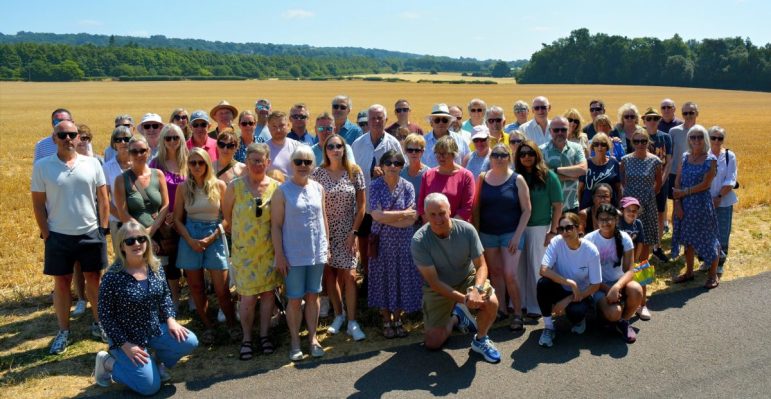
Opposition to the strategy – which outlines a vision for new housing developments across the district – has intensified in recent weeks, with the emergence of numerous local action groups and a swell of public discontent.
“From what I’ve seen and heard, there is an unprecedented number of objection groups set up across the district,” said one local campaigner.
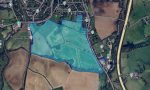
One of the most vocal critics has been district councillor for Hagley West, Steve Colella, who warned of the environmental risks posed by the proposed developments, particularly in his constituency.
“The amenity value of the sites selected are prime arable and agricultural land, vital wildlife corridors, and they help manage rainwater flowing from the Clent Hills,” said Colella.
“If developed, it would increase the risk of flooding – Hagley is now classed as a Flood Zone 3 area, the highest risk category. To build 530 houses here makes no sense.”
Colella also stressed the emotional and mental health value of the local landscape, especially in light of the pandemic.
“During Covid, we were encouraged to use open spaces for wellbeing. These quiet, natural spaces were lifelines for many. Have planners already forgotten those dark days?”
Local residents have echoed similar concerns. Lorraine Johnson of the Hagley Action Group described the proposed sites as “very special,” and home to a range of protected wildlife.
“We’ve seen bats, buzzards, red kite, and ground-nesting skylarks,” she said. “Deer often cross the A491. These are not just empty fields — they’re rich ecosystems.”
Johnson also criticised the strain the development would place on local infrastructure. “Adding around 2,500 people to Hagley is unsustainable. Our roads are already at capacity, schools and healthcare services are overstretched, and any suggested improvements are simply not viable.”
Another resident voiced frustration over what they see as misplaced priorities in the strategy: “It’s infuriating to see green fields earmarked for development when there are so many derelict areas in towns and cities that need regeneration. This plan risks ruining rural communities and destroying habitats that can never be replaced.”
Public consultation on the plan runs until September 22. Drop-in sessions are being held across the district for residents to learn more.
Visit www.bromsgrove.gov.uk/BromsgrovePlan or your library for information.