



Learn why Watches of Henley Street are changing the world of buying…
The Jewellery Quarter in Birmingham has a rich history dating back over 250 years, making it one of the city’s most historic and culturally significant districts.
Emerging as a hub for jewellery manufacturing in the mid-18th century, it rapidly became renowned for its skilled artisans and innovative techniques.

By the 19th century, the area had established itself as the epicentre of the British jewellery industry, producing an estimated 40% of the nation’s jewellery by 1914.
The quarter’s growth was bolstered by the Industrial Revolution, which introduced new machinery and methods, enhancing productivity and quality. Key landmarks, such as the Chamberlain Clock and the School of Jewellery, symbolise its heritage. The district also housed numerous related trades, including silversmiths, watchmakers, and engravers, contributing to its diverse craftsmanship.
 View from Warstone Lane shows the Chamberlain Clock. Copyright: Brian Clift. Licenced under the Creative Commons Attribution 2.0 Generic licence.
Despite facing decline during the late 20th century due to global competition and changing economic conditions, the Jewellery Quarter experienced a revival in the early 21st century. Efforts to preserve its historic character while promoting modern development have transformed it into a vibrant area, blending tradition with contemporary creativity.
Today, it remains a thriving centre for jewellery production, arts, and tourism, celebrated for its unique cultural and historical significance.
Buying a preowned Rolex or Cartier watch can be a rewarding experience, offering the chance to own a luxury timepiece at a potentially lower cost than buying new.
However, it requires careful consideration to ensure authenticity, condition, and value.
Here’s a comprehensive guide to help you navigate the process:
Research and Understanding
1. Model Knowledge:
- Begin by researching the specific models of Rolex or Cartier watches you’re interested in. Understand their features, variations, and market values. Websites like Chrono24 and WatchBox offer extensive databases on different models.
2. Brand History:
- Familiarise yourself with the history of Rolex and Cartier. Knowing the brand’s heritage can help you appreciate the value and authenticity of the watch.
Authenticity
1. Serial and Reference Numbers:
- Check the serial and reference numbers on the watch. For Rolex, these are typically engraved between the lugs and on the movement. Cartier watches often have a serial number on the case back. Match these numbers with the model and year of production.
2. Authenticity Papers:
- Ideally, the watch should come with original papers and a box. These documents include a certificate of authenticity and service records, which can verify the watch’s legitimacy.
3. Physical Inspection:
- Examine the watch for signs of authenticity. Rolex watches have distinct features such as the Cyclops lens over the date, a smoothly sweeping second hand, and meticulous detailing. Cartier watches are known for their precision and signature designs like the Tank or Santos.

Condition
1. Cosmetic Condition:
- Inspect the watch for scratches, dents, and wear on the case, crystal, and bracelet. Minor wear is expected in preowned watches, but significant damage can affect value and functionality.
2. Movement Condition:
- Ensure the watch’s movement is functioning correctly. Look for smoothness in the ticking of the second hand and accuracy in timekeeping. A professional inspection by a watchmaker is advisable.
3. Service History:
- A well-maintained watch should have a documented service history. Regular servicing ensures the watch remains in good working condition and retains its value.
Buying Sources
1. Authorised Dealers and Boutiques:
- If you’re looking specifically for a brand new watch from an authorised dealer, there are many in the Midlands – but you won’t find one in the jewellery quarter.
2. Reputable Online & Store Marketplaces:
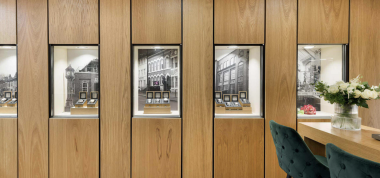
- In the Jewellery Quarter you can browse in-store at Watches of Henley Street or view their website here: www.watchesofhenleyst.co.uk
3. Auctions:
- Auctions can be a source for unique and rare models. Reputable auction houses like Sotheby’s and Christie’s have dedicated watch auctions with authenticated pieces.
Negotiation and Purchase
1. Price Research:
- Compare prices across different platforms to understand the market value of the watch. Use this information to negotiate a fair price.
2. Return Policy:
- Confirm the seller’s return policy. A return policy can offer peace of mind if the watch doesn’t meet your expectations upon arrival.
Post-Purchase Care
1. Proper Storage:
- Store the watch in a safe, dry place, ideally in its original box. Avoid exposure to extreme temperatures and magnetic fields.
2. Insurance:
- Consider insuring your watch against theft, loss, and damage. Luxury watches can be a significant investment, and insurance provides protection.
By following these guidelines, you can confidently purchase a preowned Rolex or Cartier, ensuring you acquire a genuine, well-maintained timepiece that offers both aesthetic pleasure and potential investment value.
VISIT THE WATCHES OF HENLEY SHOWROOM AT:
12 Warstone Lane, The Jewellery Quarter, Birmingham, B18 6JB
Tel: 01789 777 713
Email: [email protected]
Website: www.watchesofhenleyst.co.uk