


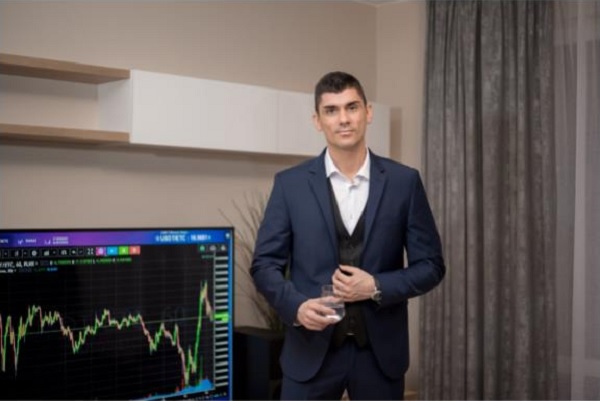
Financial markets rarely stay calm for long. In 2026, UK traders continue facing rapid price swings caused by economic uncertainty, global politics, technology and changing investor sentiment. This article explores how traders in the UK respond to fast-moving markets and the strategies many use to manage risk and opportunity.
Why Market Volatility Attracts Attention
Periods of volatility often create both excitement and pressure for traders. Sharp movements in stocks, currencies, commodities and cryptocurrencies can happen within minutes after major announcements or unexpected global events.
Many UK traders closely monitor inflation data, interest rate decisions and employment reports because these updates frequently influence market direction. In recent years, increased access to online platforms has also made it easier for retail investors to react quickly when opportunities appear. For some traders, this environment increases interest in CFD trading because it allows them to speculate on rising and falling markets across different asset
classes. During volatile sessions, traders often focus on short-term movements rather than long-term investing strategies.
Fast-moving markets can also attract newer participants who are influenced by financial news, social media discussions or trending assets. However, experienced traders usually understand that volatility can be both profitable and dangerous.
Speed Has Become More Important
Technology now plays a major role in how traders respond to market activity. In the past, investors often relied on delayed information from newspapers or television broadcasts. Today, updates appear instantly through mobile apps, trading platforms and financial websites.
Many UK traders now use price alerts, technical indicators and live charts to monitor sudden changes. Some react within seconds after economic announcements, especially in highly active markets like forex or major stock indices.
Emotional Reactions Still Influence Decisions
Even with advanced technology and analysis tools, psychology remains one of the biggest factors in trading. Fear and greed continue influencing behaviour during volatile periods.
When markets suddenly jump, many traders buy quickly because they do not want to miss out. When prices fall, panic selling often increases. Social media can make these reactions even stronger by spreading dramatic headlines and bold predictions.
Many experienced UK traders try to reduce emotional decision-making by following structured plans. They may use stop-loss orders, position sizing and predefined entry points to maintain discipline.
Risk management has become especially important in recent years because markets can reverse direction very quickly. A strong rally during the morning can suddenly turn into a major decline later in the day after new economic data or political developments emerge.
Professional traders often accept that losses are part of trading. Instead of trying to win every position, they focus more on consistency and protecting capital over time.
Global Events Can Shift Markets Quickly
UK traders do not only follow domestic news. International developments frequently influence market sentiment across Britain.
For example, decisions from the US Federal Reserve often impact global stock markets, currency pairs and commodity prices. Geopolitical tensions, conflicts or trade disputes can also create sudden uncertainty that affects investor confidence worldwide.
Energy prices remain another important factor. Sharp movements in oil or gas prices can influence inflation expectations and corporate performance in several industries. Traders therefore monitor both economic reports and geopolitical headlines closely.
Cryptocurrency markets have also introduced additional volatility into the financial environment. Large Bitcoin price movements sometimes affect broader market sentiment, particularly among younger retail traders who actively follow digital assets.
Because information spreads globally within seconds, traders now react faster than ever before. This can increase both trading volume and short-term market swings.
Short-Term Trading Styles Continue Growing
Fast-moving markets often encourage short-term trading strategies. Some traders prefer day trading, while others focus on swing trading or momentum-based approaches.
Day traders typically open and close positions within the same session to avoid overnight uncertainty. Swing traders may hold positions for several days while attempting to capture broader market trends.
Momentum trading has also become increasingly popular. In this approach, traders attempt to follow assets that are already moving strongly in one direction. However, momentum strategies can become risky when markets suddenly reverse.
Not every trader reacts aggressively to volatility. Some investors choose to reduce exposure and wait for calmer conditions before entering new positions. Others diversify across multiple asset classes to reduce overall risk.
The approach often depends on experience, financial goals and personal risk tolerance.
Conclusion
Fast-moving markets continue shaping the behaviour of UK traders in 2026. Advances in technology, instant access to information and global economic uncertainty have created an environment where reactions happen faster than ever before.
While volatility can create opportunities, experienced traders understand the importance of discipline, emotional control and risk management. As markets continue evolving, UK traders are adapting by combining technology, education and strategy to navigate increasingly unpredictable conditions.
Article by Louis Wheeler.