


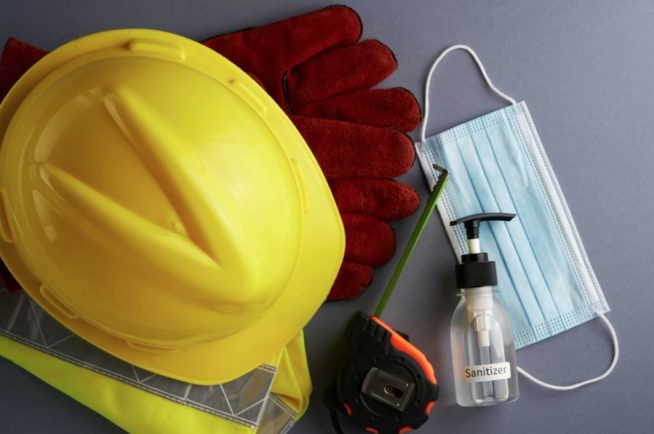
Workplace safety is a tangible commitment that influences how people work, how confident they feel on the job site, and how well a company manages risk. It is not an abstract compliance obligation. At the core of that commitment is the quality of personal protective equipment, and vendors like JRS Industrial show how the right equipment, properly specified, can change a workplace’s safety culture.
Why PPE Is More Than a Legal Obligation
Rules establish a floor rather than a ceiling. Although adhering to the minimal requirements for personal protective equipment keeps a company compliant with health and safety regulations, it does not guarantee that employees are as safe as they could be. Whether PPE is viewed as a box to be checked or as a true investment in the people who wear it is what separates compliance from a safety culture.
Workers are more likely to wear equipment correctly and regularly if it fits well, functions reliably, and is appropriate for the particular risks of their workplace. The source of true protection is that consistency.
Matching Equipment to the Environment
Certain hazard profiles are rarely sufficiently addressed by generic PPE solutions, even though not all workplaces pose the same dangers. A building site, a chemical processing facility, a logistics warehouse, and a food manufacturing environment all require diverse combinations of protection. Additionally, within each setting, specific tasks may have unique requirements that are not covered by a single general specification.
The first step is to properly identify the risks. Instead of approximating safety through widely applicable items, it is possible to define equipment that directly tackles the hazards present in a given environment once they are properly identified.
Head Protection and Its Limits
Although hard hats and helmets are among the most obvious components of a PPE program, their protective value is solely dependent on proper specification and regular use. In situations where both types of hazards are present, the distinction between a helmet built for lateral force and one certified for falling item impact is crucial.
Performance is also impacted by fit. Workers are more likely to take off ill-fitting head protection during tasks where it is most necessary since it is uncomfortable to wear for extended periods of time. Purchasing well-made, adaptable alternatives lessens this tendency and maintains protection throughout the working day.
Hand and Skin Protection
Across all industrial sectors, hand injuries rank among the most commonly reported workplace incidents. A large percentage of lost work time is caused by cuts, abrasions, chemical burns, and thermal injuries, all of which can be avoided with the right glove protection.
The problem is that, even within a single function, hand protection requirements differ significantly. Different gloves are needed for tasks requiring fine manipulation as opposed to hard handling or chemical contact. Rather than distributing a single style of glove to every employee, a PPE program that takes workload variety into consideration offers significantly better protection.
Respiratory Protection in Hazardous Environments
Because they are among the less obvious occupational concerns, airborne hazards may go unnoticed. Regular and uncontrolled exposure to dust, fumes, vapours, and biological particles poses major long-term health concerns. The particular compounds present, the concentration levels involved, and the typical period of exposure for the function must all be taken into consideration when choosing respiratory protection equipment.
Fit testing is an important but sometimes disregarded phase. Regardless of the quality of the filter media, a respirator that does not properly seal to the wearer’s face offers much less protection than its rating suggests.
Footwear as a Foundation of Site Safety
Slipping, falling items, penetration from below, electrical conductivity, and chemical contact are just a few of the risks that safety footwear guards against. The site determines the appropriate specification, and the individual determines the appropriate fit. Uncomfortable footwear pushes employees to look for other options, undercutting the protection the program was intended to offer.
Building a Culture Around Protection
A safe workplace cannot be created by equipment alone. Whether a PPE program achieves its goals depends on the culture surrounding its use, including how frequently it is worn, how well it is maintained, and how seriously its significance is emphasised. Over time, organisations that prioritise safety equipment rather than seeing it as a regulatory afterthought typically notice improvements in their incident reports.
Article written by Emily