

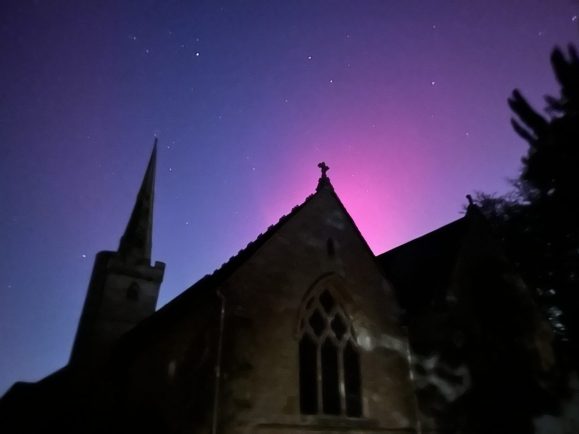

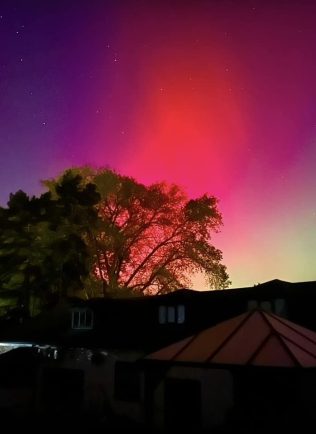

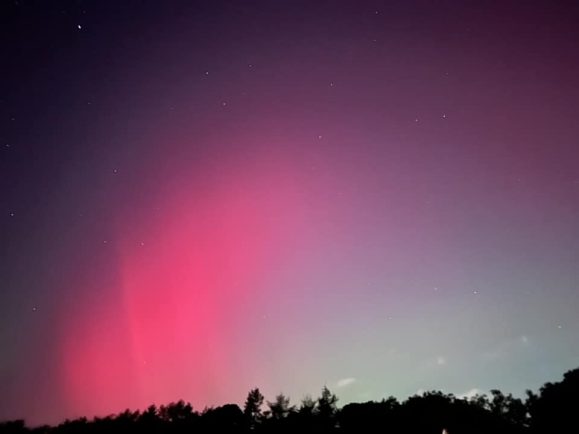

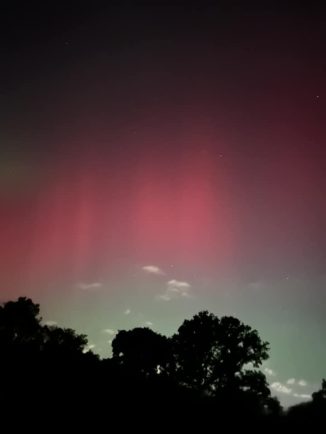

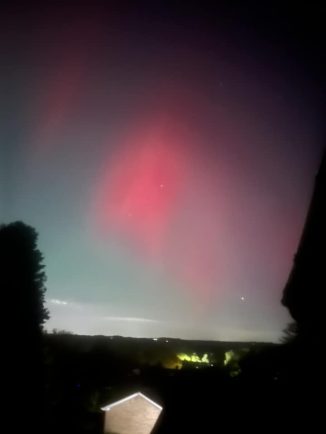

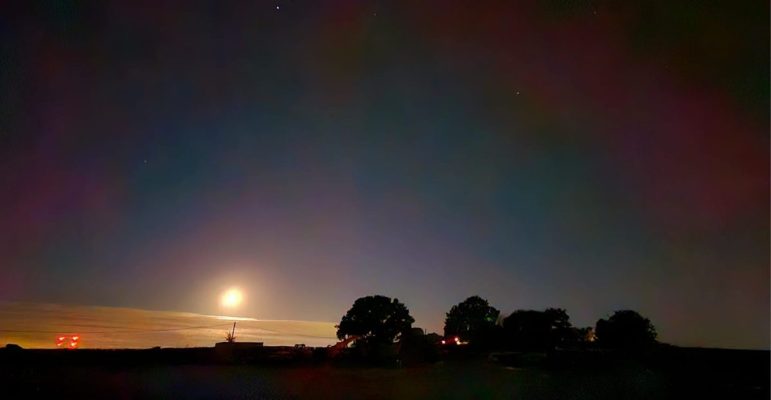

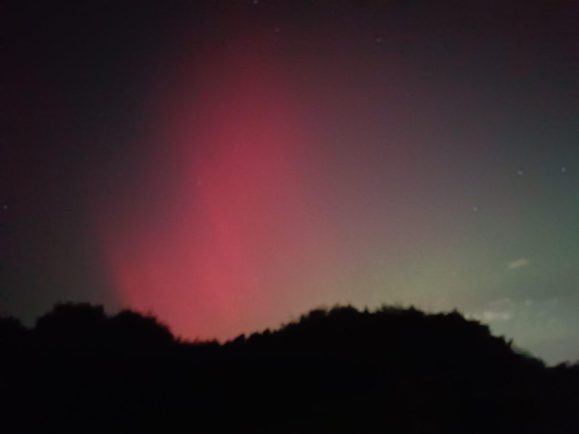

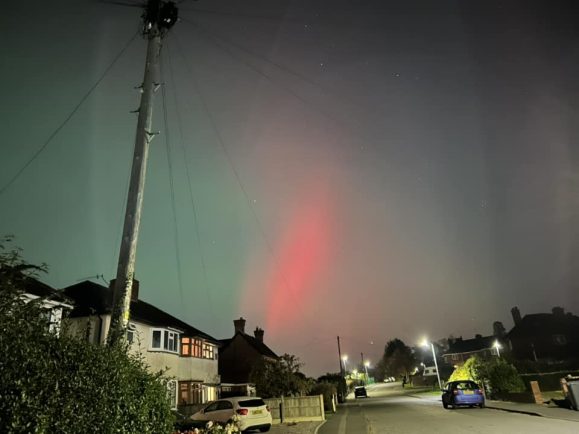

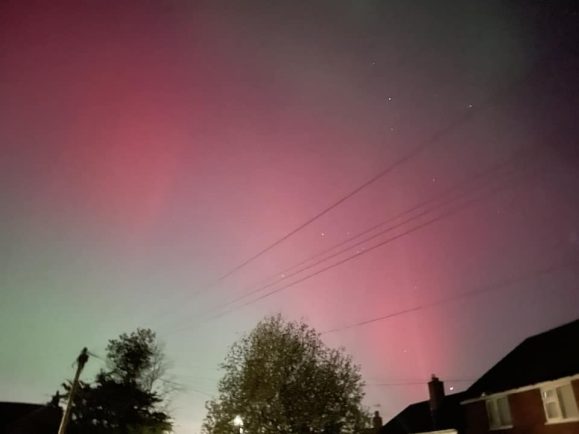

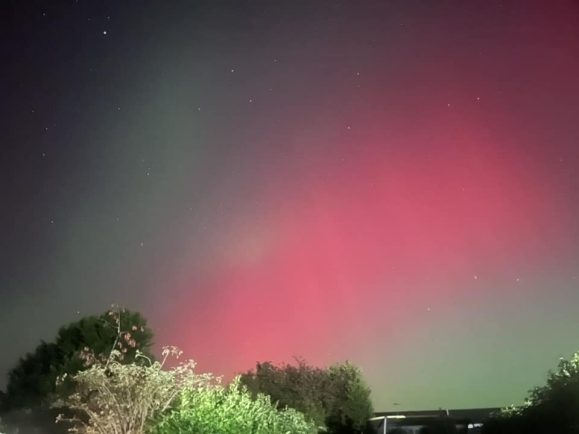

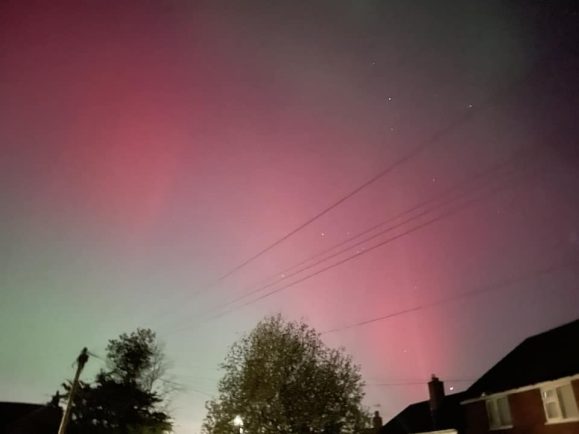

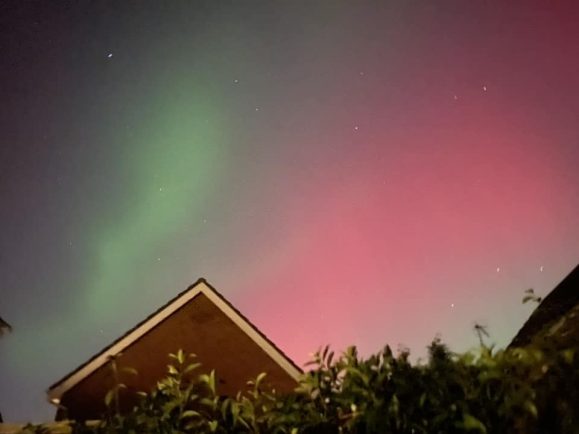

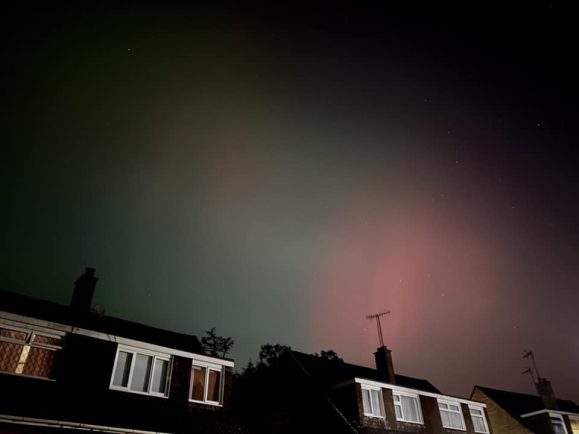

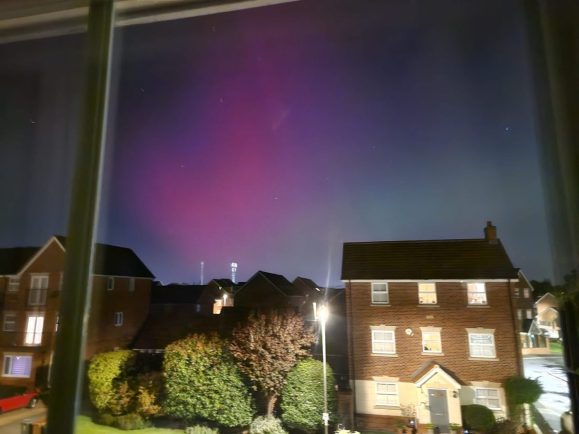

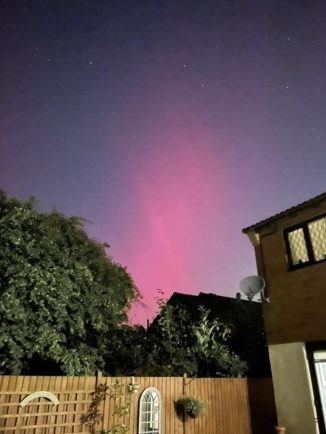

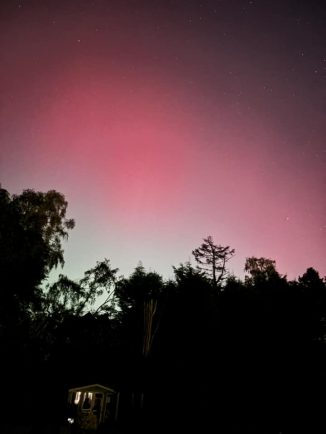

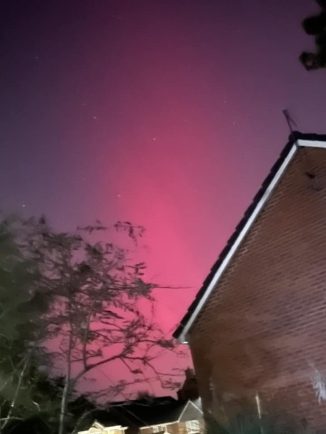
RESIDENTS across Bromsgrove, Rubery and south Birmingham took their opportunity to photograph the Northern Lights when they made a rare appearance last night.
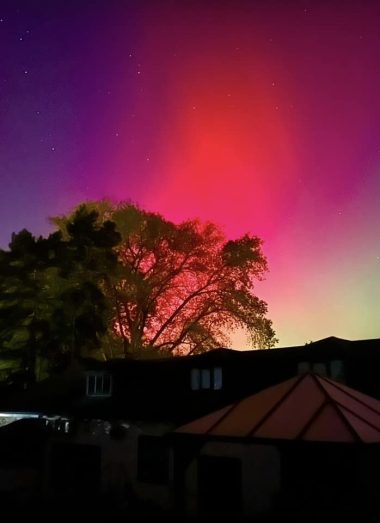
Ella Baynham – Stoke Prior
This was one of several opportunities to see the Aurora Borealis already this year, thanks to perfect weather conditions.
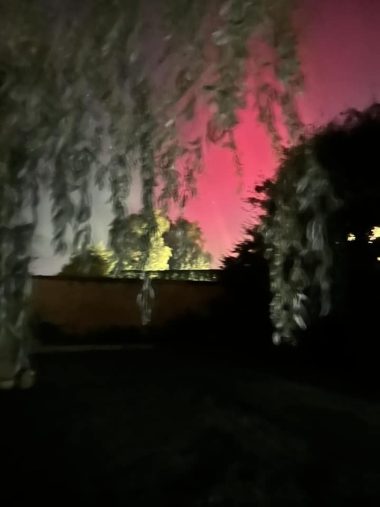
Jo Cordes – Bromsgrove
Here are a selection of your pictures of this amazing spectacle, along with a few facts about the phenomenon.
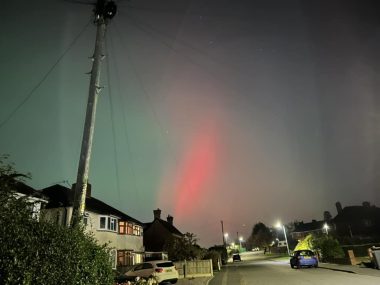
Sarah Bond Williams – Rigby Lane
Natural Phenomenon: The Northern Lights, also known as Aurora Borealis, are a natural light display predominantly seen in the high-latitude regions around the Arctic Circle.
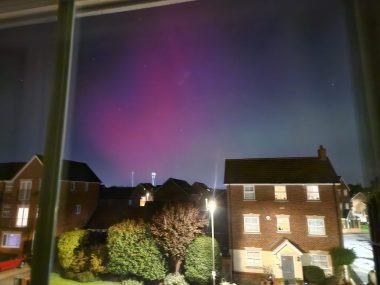
Caroline Parker – Breme Park
Charged Particles: They occur when charged particles emitted by the sun, primarily electrons and protons, collide with gases in Earth’s atmosphere. These collisions release energy in the form of light.
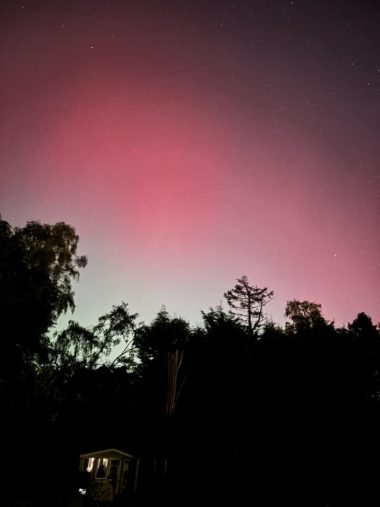
Steven Jes – Cofton Hackett
Colours: The Northern Lights often appear in various colors, including green, pink, red, blue, and violet. The colours depend on the type of gas particles colliding with the charged particles and their altitude.
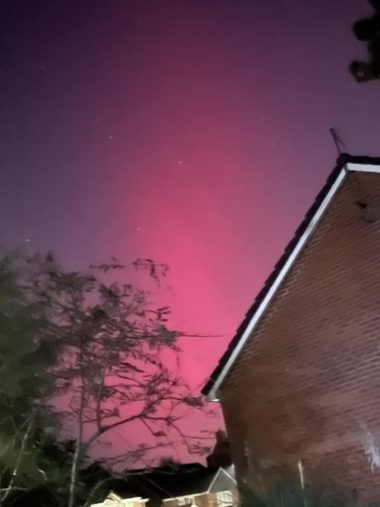
Leigh Bee – Bromsgrove
Magnetic Field Influence: Earth’s magnetic field directs the charged particles toward the poles, which is why the Northern Lights are primarily visible in the polar regions.
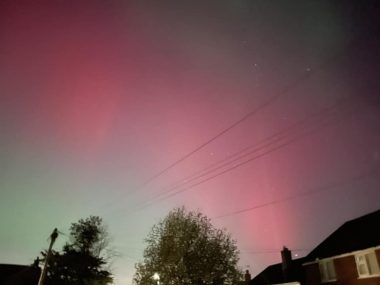
Jodie Pritchard – south Bromsgrove
Solar Activity: The intensity and frequency of the Northern Lights correlate with solar activity, particularly during periods of high sunspot activity in the solar cycle.
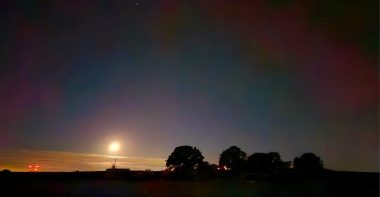
Neil Pugh – Tinberhonger Lane – with the moon
Historical Beliefs: Throughout history, various cultures have attached spiritual or mythological significance to the Northern Lights. For instance, some indigenous Arctic communities believed they were the spirits of their ancestors.
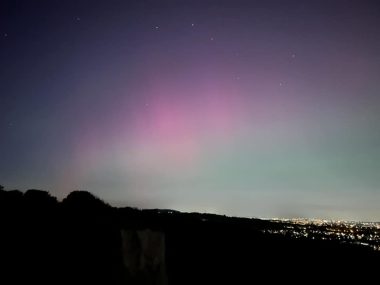
Ruth Carruthers – Beacon, Lickey Hills
Visibility: The best time to see the Northern Lights is during the winter months when the nights are longest and the skies are darkest. Locations with minimal light pollution and clear skies offer the best viewing conditions.
Sarah Bond Williams – Rigby Lane
Spectacular Displays: Sometimes, the Northern Lights produce spectacular displays known as auroral storms, characterised by intense and widespread auroras that can be seen at lower latitudes than usual.
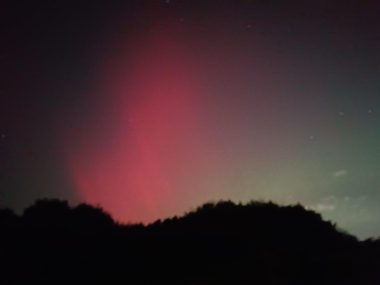
Polly Marie – Monument Lane
Southern Counterpart: A similar phenomenon occurs in the Southern Hemisphere and is called the Aurora Australis or Southern Lights. It shares many characteristics with the Northern Lights but is primarily visible from high southern latitudes.
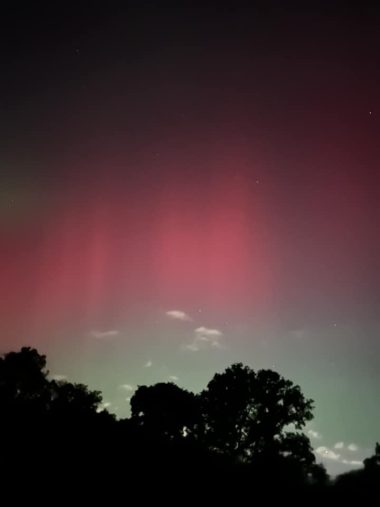
Michelle Eastwood – Rubery
Scientific Research: Scientists study the Northern Lights to understand more about Earth’s magnetosphere, solar activity, and the interaction between the sun and our planet’s atmosphere. Understanding these phenomena has implications for space weather forecasting and satellite communications.
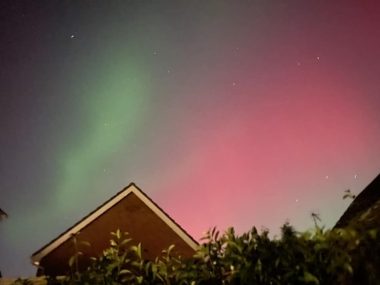
Jayne Taylor – Aston Fields
Visibility: The best time to see the Northern Lights is during the winter months.