



AS THE nights draw in, and it becomes cold and wet, it’s all too tempting to neglect your garden and stay close to the fire.
But, at this time of year, there is still much work to be done to protect your soil and plants.
A few key actions now could save you a lot of pain later on and ensure your garden flourishes in the spring.
Emma O’Neill, Head Gardener at horticultural charity Garden Organic,shares her top tips for what needs to be done in the garden during the end of autumn and beginning of winter.
Tip one – Utilise those fallen leaves
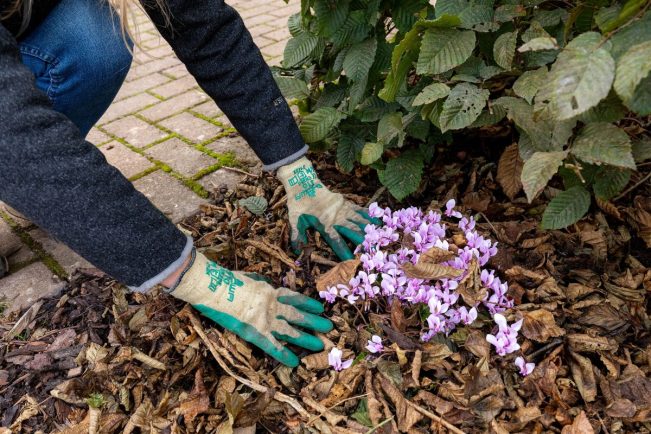
It’s easy for gardeners to overlook leaves and see them as a waste product or, worse still, a nuisance.
But they are gold dust to gardeners.
You can use them to smother weeds, lock in moisture and warmth in your soil, and you can dig them in next spring to add vital nutrients to your soil.
You can collect leaves and store them in black bin liners (with holes in the base) or you can collect them in chicken-wire cages.
Tip two – Tidy up, but not too much
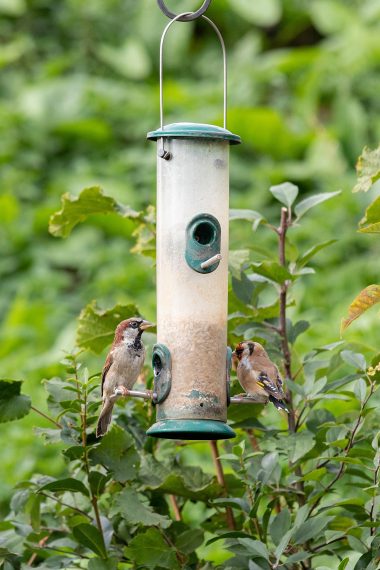 Provide shelter and food for garden birds. Picture by Shaun Fellow at Shine PIX Lrd.
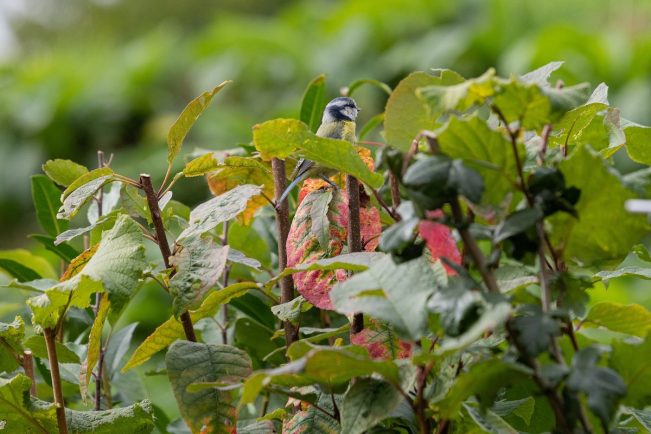
Tidying up autumn debris is important, so you can discourage overwintering pests – but garden nooks and crannies also provide winter protection and homes for beneficial creatures including hedgehogs, toads, and insects.
“I like to leave some seedheads, tufty grasses and old leaves in situ to provide shelter for wildlife.
“After all, many of these creatures will repay you by helping to clear up the less beneficial pests next year,” says Emma.
Tip three – Stake and trim your plants
Now is the time of year to stake and trim your plants. Stakes or tall poles should be driven well into the ground as plant supports.
“But don’t just concentrate on large plants, stake the small ones too, instead of waiting until they are too big and unruly”, says Emma.
“I love to use hazel for stakes and coppice it every winter from our organic garden at Ryton. I cut the stems to 5/7 cm from the ground and then use the remainder throughout the year.
“If you don’t have hazel to hand, you can buy it from the garden centre or use bamboo canes, pieces of wood (perhaps sourced from your local tree surgeon), or willow, but beware your willow doesn’t root!
“You should also ensure your climbing plants are securely tied to trellises to reduce wind damage over winter and that you trim any overhanging branches over your green house, polytunnel or public highway to avoid any possible accidents.
“At Garden Organic, we are also trimming our top-heavy plants, particularly herbaceous perennials such as roses and buddleia, to stop them being blown over.”
Tip Four – Go fruity
Autumn and winter are great times to plant bare-root fruit trees and bushes, which you can order from the Organic Gardening Catalogue (organiccatalogue.com).
Bare-root trees are a more sustainable way of adding to your garden as they don’t come in plastic pots, and are often cheaper and quicker to establish too.
“Every garden has a little corner that’s not worked so well or needs a refresh,” says Emma.
“And our organic demonstration garden at Garden Organic in Ryton, Coventry, is no exception. I’m renewing the fruit bed near our glasshouse this autumn and planting it up with new fruit bushes, including a thornless blackberry.”
When planting fruit trees always clear a square metre of weeds and grass from around the trees as it can reduce cropping and may even kill young trees.
Tip Five – Last chance to plant those spring bulbs
To ensure a beautiful splash of colour in your garden in late winter and early spring, plant your bulbs as soon as possible.
Once your bulbs are planted, you can look forward to a riotous display with snowdrops in February, crocuses and daffodils in March, tulips and daffodils in April and alliums and tulips in May.
“It used to be very difficult to source organic bulbs,” says Emma, “but it is much easier now and the organiccatalogue.com has a good range, including alliums, crocus, narcissus and tulips. They also have a collection to attract bees and butterflies.
• If you require further help and advice, visit gardenorganic.org.uk.