

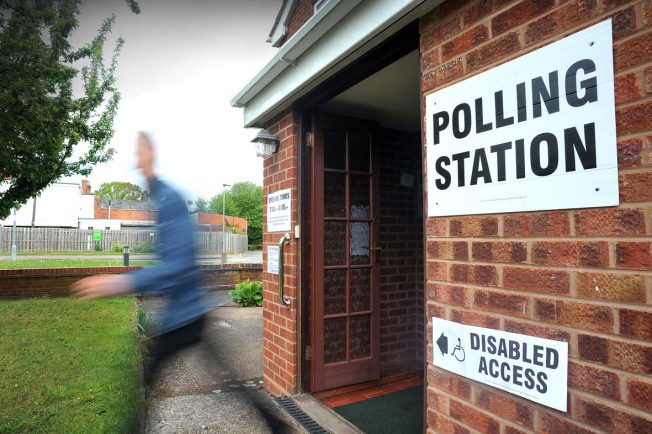
Voters in Makerfield are heading to the polls today in one of the most closely watched by-elections in recent British politics.
Polling stations across the Greater Manchester constituency opened at 7am and will remain open until 10pm, with the result expected in the early hours of Friday morning. More than 30 polling stations are operating across the constituency as residents choose a successor to former Labour MP Josh Simons.
While by-elections are often local affairs, the contest in Makerfield has attracted national attention because of what is at stake for both the Labour Party and Prime Minister Sir Keir Starmer.
The by-election was triggered after Mr Simons resigned his seat to allow Greater Manchester Mayor Andy Burnham to seek a return to Westminster. Mr Simons publicly backed Burnham’s candidacy, a move that immediately fuelled speculation about Labour’s future leadership.
Burnham, a former Cabinet minister who has served as Mayor of Greater Manchester since 2017, is widely regarded as one of Labour’s most recognisable political figures. Many commentators believe a victory in Makerfield would place him in a strong position to challenge Sir Keir Starmer for the Labour leadership should pressure on the Prime Minister continue to grow.
The constituency has therefore become the focus of intense political interest, with senior Labour figures and activists descending on the area throughout the campaign. Reports suggest thousands of Labour campaigners have been deployed in what party insiders view as a crucial test of Burnham’s ability to reconnect with voters.
Makerfield has traditionally been considered a safe Labour seat, having elected Labour MPs for decades. However, recent elections have shown growing support for Reform UK in the area, making the contest more competitive than previous Labour victories. At the 2024 General Election Labour won the seat with 45.2 per cent of the vote, while Reform UK finished second on 31.8 per cent.
The constituency covers communities including Ashton-in-Makerfield, Bryn, Hindley, Hindley Green, Abram, Orrell, Winstanley and Worsley Mesnes. Local issues raised during the campaign have included public services, the cost of living, economic growth, crime, immigration and environmental concerns.
There are 14 candidates on the ballot paper:
Jake Austin (Liberal Democrats)
Count Binface (Count Binface Party)
Andy Burnham (Labour and Co-operative Party)
Dan Clarke (Libertarian Party)
John Dyer (Independent)
Ed Gemmell (Climate Party)
Paul Gould (Independent)
Alan “Howlin” Laud Hope (Official Monster Raving Loony Party)
Robert Kenyon (Reform UK)
Robert Pownall (Independent)
Rebecca Shepherd (Restore Britain)
Sarah Wakefield (Green Party)
Peter Ward (Rejoin EU)
Michael Winstanley (Conservative Party)
Voters have been reminded to bring a valid form of photographic identification. Accepted forms include passports, driving licences, bus passes, blue badges and voter authority certificates. Expired photo identification can still be used provided the photograph remains a clear likeness of the voter.
Under current rules, Burnham cannot serve simultaneously as Mayor of Greater Manchester and as an MP because the mayoralty includes Police and Crime Commissioner powers. If elected, he would be required to vacate the mayoral office, triggering a further election for Mayor of Greater Manchester.
A Split Right May Help Labour
Another factor being closely watched is the division of the vote on the political right.
Throughout the campaign, polling has suggested that Burnham’s path to victory has been helped by right-of-centre voters being spread across several parties rather than rallying behind a single challenger. A Survation constituency poll published during the campaign put Labour on 43 per cent, Reform UK on 40 per cent, Restore Britain on 7 per cent and the Conservatives on 2 per cent.
More recent polling has continued to show Restore Britain attracting support in the mid-single digits while Conservative support remains low, often between one and three per cent.
The figures have fuelled debate about whether the fragmentation of the right is helping Labour retain seats that might otherwise be highly competitive. Political analysts have repeatedly identified Restore Britain’s presence as a significant factor in the contest, with both Reform UK and Labour strategists closely monitoring where those votes ultimately go.
While it is impossible to know how voters would behave if fewer parties were standing, the combined polling figures for Reform UK, Restore Britain and the Conservatives have at times exceeded Labour’s vote share. That has led some commentators to argue that Makerfield is becoming a textbook example of how Britain’s first-past-the-post electoral system can reward a united political movement while punishing a divided one.
For Burnham, that division could prove crucial. If elected, he would return to Westminster as one of Labour’s most prominent figures and a potential future challenger to Sir Keir Starmer. For Reform UK, Restore Britain and the Conservatives, the result is likely to reignite questions about whether parties on the right can continue competing against one another if they hope to unseat Labour in key constituencies.
The result will be watched closely across Westminster. A Burnham victory would return one of Labour’s most influential figures to Parliament and potentially strengthen his position within the party at a time when questions continue to be asked about Sir Keir Starmer’s leadership. A strong performance by Reform UK would also be seen as another indication of the party’s growing support in former Labour heartlands, while Restore Britain will be hoping to demonstrate that it can establish itself as a credible force within the wider centre-right movement.
Counting is expected to begin shortly after polls close, with a declaration anticipated in the early hours of Friday morning. Whatever the outcome, the political implications are likely to be felt far beyond the boundaries of Makerfield.