


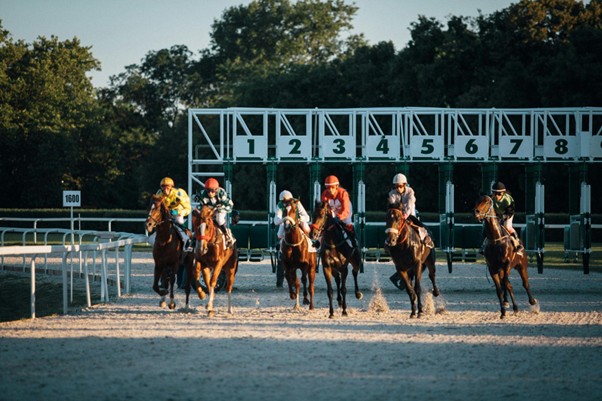
The Kentucky Derby is the most famous horse race in the United States, and for many adults, it’s also the first step into horse racing culture. Held each spring at Churchill Downs in Louisville, Kentucky, it blends history, pageantry, speed, and betting into a single event that becomes easier to enjoy once the basics are clear.
For new fans, the sport can feel full of unfamiliar terms and traditions, which is why a simple guide is useful. Understanding how the Derby works, what to watch before the race, and how betting options are presented can make the experience more engaging. This guide explains the essentials in plain language with a clear structure to help new horse racing fans feel informed from the start.
Why the Derby Matters
The Kentucky Derby is often called the most exciting two minutes in sports, but its importance goes far beyond race length. It’s the opening leg of the Triple Crown and one of the most-watched horse racing events in the country. That status gives it a special place in American sports culture and makes it a natural entry point for new bettors and new fans.
The race features three-year-old thoroughbreds competing over one and one-quarter miles. Because these horses are still early in their careers, the Derby often introduces rising stars to a national audience. Every horse must qualify through a points system tied to prep races, which means the field is shaped well before Derby Day arrives.
For those who want to follow the event more closely and start betting, learning the calendar matters. Prep races, workouts, post position draws, and trainer comments all help build the story before the gate opens. That is also why many bettors explore Kentucky Derby betting platforms USA when they want to know race information, the odds, and how to bet.
Understanding the Race Card Basics
One of the most helpful skills for a new fan is learning how to read a race card. At first glance, it can look crowded. In reality, it’s a compact guide that shows the most useful information about each horse. Once you know what to focus on, the card becomes much easier to use.
Key details usually include:
- Post position: shows where the horse starts in the gate,
- Jockey and trainer names: shape public attention,
- Recent finishes: provide a quick view of current form,
- Morning line odds: estimate how the betting market may open.
It also helps to notice the running style. Some horses like to set the pace early, while others stay back and make a late move. In a large Derby field, pace can shape the entire race. A crowded early battle can change how the final stretch unfolds.
Past performance lines also matter. They show where the horse raced, the distance, and how it handled different conditions. Even a quick review can reveal patterns that are easy for new fans to spot.
Understanding the Most Common Bets
Betting on the Kentucky Derby becomes much easier when you focus on the basic wager types first. New fans do not need to learn every option at once. A small set of common bets covers most of what people use on Derby Day and provides a strong foundation for understanding the rest.
A win bet is placed on a horse to come home first. A place bet pays if that horse ends the race in either first or second. A show bet extends to a top-three finish. For new fans, these options are usually the easiest to understand because they closely match the race results shown on screen.
More complex wagers ask you to predict multiple finishers in order or in a group. An exacta involves the top two finishers. A trifecta involves the top three. These bets attract attention because they require a more precise read of the field. For beginners, the most useful approach is to learn the structure before adding complexity. Once the terms are familiar, the betting menu feels more logical and much less intimidating during the fast pace of Derby coverage.
What to Watch Before Post Time
The hours before the Kentucky Derby are full of clues that can help a new fan read the race more carefully. The horses do not arrive as blank names on a screen. By post time, there is already a large amount of useful information available to anyone willing to observe a few core details.
Focus on these areas before the race begins:
- Late odds movement: shows where public interest is building,
- Track condition: since a dry track and a wet track can shape pace differently,
- Paddock appearance: including whether a horse looks calm, alert, and settled,
- Broadcast analysis: often highlights training patterns and tactical angles.
It’s also helpful to pay attention to post positions in relation to running style.A horse that prefers to break quickly may benefit from space and rhythm, while others need a clearer path later in the race. In a large field, traffic can make a real difference. Many beginners only look at the final odds. A better approach is to combine odds, form, and visual signs. This creates a fuller picture and makes the race easier to interpret once it begins.
A Smart Way to Enjoy Derby Day
For new horse racing fans, the Kentucky Derby is easiest to enjoy when the basics are clear. Learning how the field is structured, how to read the race card, and how common bets work can make the event much easier to follow.
What sets the Derby apart is its mix of tradition, atmosphere, and competition. For adults in the United States interested in horse race betting, it remains one of the most accessible and engaging entry points into the sport. With a little preparation, the race becomes easier to understand and more enjoyable to watch.