


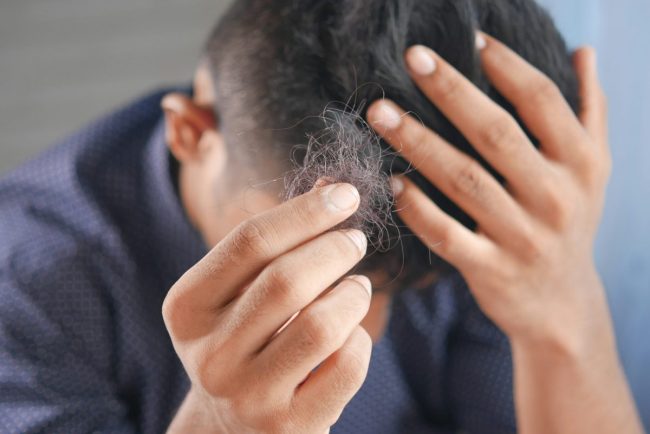
For a lot of men, hair loss doesn’t land as a “small cosmetic thing.” It can quietly change how you show up in the world, how you look at yourself in photos, how you feel walking into a room, how confident you are in dating, work, and social situations. Yet many men still feel pressure to brush it off, keep it moving, and not talk about it.
According to Treatment Rooms London, your mental well-being matters, and so does your self-image. If hair loss is affecting how you feel, it’s valid to address it, whether that means doing nothing, trying medical treatments, or exploring a hair transplant. The key is doing it for the right reasons, with realistic expectations, and with proper support.
When hair loss becomes more than hair loss
Male pattern hair loss is common, but “common” doesn’t mean emotionally neutral. Men often describe hair loss as:
- A constant background worry (“Is it getting worse?”)
- A hit to confidence and identity (“I don’t look like myself.”)
- Avoidance behaviours (hats, avoiding photos, strategic lighting)
- Increased social anxiety (“People will notice.”)
- A feeling of lost control (“I can’t stop it.”)
And because many men are taught to keep emotions private, the impact can go unspoken—sometimes for years.
A useful question is: Is this affecting my quality of life?
If you’re spending significant mental energy thinking about it, hiding it, or feeling down because of it, it’s worth taking seriously.
The mental health angle: confidence, control, and self-worth
It’s easy to reduce hair transplants to aesthetics, but the bigger story is often about:
1) Confidence and social comfort
When you don’t feel like yourself, you may hold back—less outgoing, less spontaneous, less “present.”
2) Control and agency
Hair loss can feel like something happening to you. Choosing a plan—whatever that plan is—can restore a sense of control.
3) Self-perception
This isn’t about vanity. It’s about how you relate to your own reflection. For some men, that relationship has real emotional weight.
That said, it’s also important to name something clearly:
A hair transplant can improve how you feel about your appearance—but it is not a treatment for anxiety, depression, or low self-worth on its own.
If those are present, they deserve their own attention and support.
The healthiest mindset: “This is for me, not for approval”
Hair restoration is most psychologically helpful when it comes from self-directed motivation, not pressure.
Healthy motivations often sound like:
- “I want to look closer to how I feel inside.”
- “I want to stop obsessing over my hair.”
- “I want to feel more confident day-to-day.”
Less healthy motivations may sound like:
- “This will fix my dating life.”
- “If I don’t do this, I’ll feel unlovable.”
- “People will finally respect me.”
A transplant can be a positive step, but it shouldn’t become the emotional “solution” to everything.
If you’re considering a transplant, start with your mental readiness
A hair transplant is a medical procedure. It’s also a psychological journey because results take time.
Here’s what mental readiness can look like:
You can tolerate the timeline
Hair transplants don’t deliver instant gratification. There’s often early shedding, a “waiting period,” and gradual growth over months. If you’re expecting a quick fix, you may feel anxious during the process.
You have realistic expectations
A good transplant improves density and framing, but it won’t recreate teenage hair. It’s about natural-looking improvement, not perfection.
You’re not doing it in a crisis
If you’re currently in a highly distressed state (panic, severe depression, major life upheaval), it may be better to stabilise first, then decide.
You’re open to support
Talking to someone—your partner, a friend, a therapist, even your GP—can be part of doing this responsibly.
The “quiet pressure” men feel—and how to push back
Men often carry unspoken rules like:
- Don’t complain.
- Don’t be “vain.”
- Don’t spend money on yourself.
- Don’t admit you care.
But prioritising yourself isn’t weakness. It’s maturity.
It can look like:
- Booking a proper consultation instead of doom-scrolling forums at 1am.
- Asking questions until you understand the risks, benefits, and alternatives.
- Making a decision based on your life—not someone else’s opinion.
Health includes mental health. Taking action to reduce daily anxiety and improve self-confidence is a legitimate reason to seek support
Practical steps: prioritise yourself before you pick a procedure
If you’re at the “should I do something?” stage, here’s a grounded approach:
1) Get clarity on what type of hair loss you have
Not all hair loss is the same. Pattern hair loss is common, but shedding can also be linked to stress, illness, nutritional deficiencies, or inflammatory scalp conditions. A good assessment matters.
2) Explore non-surgical options first (if appropriate)
For some men, medical treatment, lifestyle changes, or a “watch and monitor” approach is enough. Surgery should be a considered option—not the only option you know.
3) If you consider surgery, choose safety and ethics over hype
Look for:
- Surgeon-led consultations (not sales-led)
- Transparent discussion of limitations
- A plan that considers long-term hair loss progression
- Honest graft estimates and realistic density expectations
- Clear aftercare and follow-up
If a clinic pressures you, rushes you, or promises unrealistic outcomes, that’s a red flag.
4) Build emotional support into the process
This part gets skipped far too often. A supportive plan might include:
- One person you can talk to honestly (partner, friend, family)
- A check-in with a therapist if hair loss has affected your confidence for years
- Clear boundaries with online forums if they spike your anxiety
The post-op period: protect your mind while your hair catches up
Many men are surprised by the emotional side of recovery. You may look “worse before better” for a while, which can be unsettling.
Common feelings include:
- Impatience (“Why isn’t it growing yet?”)
- Worry (“What if it failed?”)
- Self-consciousness during healing
- Over-checking mirrors and photos
This is where mental health practices help:
- Limit daily checking. Set a rule: photos once every 2–4 weeks, not daily.
- Follow the plan, not the panic. Stick to aftercare guidance and scheduled reviews.
- Avoid comparing your day 30 to someone else’s month 12. Everyone heals differently.
- Keep life moving. Training, routine, work, social time—don’t pause your identity while you wait for growth.
The goal is not just hair growth—it’s to feel stable and confident throughout the process.
Hair restoration doesn’t replace deeper self-care (but it can be part of it)
A transplant can be a genuinely positive decision. For many men, it reduces a constant insecurity and helps them feel more like themselves.
But it works best when paired with broader self-care:
- Sleep and stress management (high stress often worsens perceived hair issues)
- Exercise (confidence, mood, routine)
- Health check-ups (especially if shedding is sudden or diffuse)
- Mental health support when needed
- Relationships and community (men do better when they’re not isolated)
Final thought: you’re allowed to care
If hair loss is affecting your confidence, you’re not shallow. If you’re thinking about a hair transplant, you’re not weak. You’re a human being responding to something that impacts how you feel in your own skin.
The most important shift is this:
Start prioritising yourself—not in secret, not in shame, but with clarity and care.
Whether your answer is treatment, transplant, or acceptance, your mental health deserves the same attention you’d give any other part of your life.
This is a submitted article