


People don’t fall in love with “a famous name.” They fall in love with a vibe: the calm pressure in a post-match interview, the stubborn discipline behind a comeback, the playful confidence after a win, the quiet rituals before the arena lights come on. That is exactly why AI character tools are so effective for sports fandom—because you can capture the energy of an athlete and turn it into an interactive character you can talk to, roleplay with, or use as motivation.
This guide walks you through a practical, respectful way to generate athlete-inspired characters and images with https://joi.ai/: how to design the personality, how to craft prompts that keep the character consistent, how to create visuals, and how to avoid the mistakes that make characters feel generic or risky.
1) Start with the right goal: “inspired by” beats “copy-paste”
If your objective is a true-to-life replica of a real person, you will constantly run into problems: ethical concerns, platform restrictions, and results that feel uncanny or derivative. If your objective is a fan-inspired character, you get the best outcome: a believable persona with the traits you admire, without pretending it’s official, real, or endorsed.
A useful mental model:
- Replica approach (high risk, low creativity): “Make exactly this athlete.”
- Inspired approach (low risk, high creativity): “Make a champion-level character with these recognizable traits.”
You still get the voice, the mindset, the intensity—just packaged as original character design.
2) Build a “character sheet” before you generate anything
The fastest way to get a strong AI character is to write a short internal document—think of it like a scouting report for personality.
Use this template (keep it short and concrete):
Core identity
- Archetype: “Elite competitor,” “underdog,” “captain,” “ice-cold finisher,” “genius strategist”
- Motivation: “Win with discipline,” “prove doubters wrong,” “play for the team,” “chase greatness”
Voice and communication
- Sentence style: short and blunt vs. warm and detailed
- Humor: dry, playful, sarcastic, none
- Emotional range: calm under pressure vs. fiery and expressive
- Signature habits: asks questions, gives drills, uses metaphors, quotes principles
Values and boundaries
- What they never do: insults, humiliation, manipulative guilt, illegal advice
- What they always do: encourage training, emphasize recovery, respect consent and limits
Details that create realism
- Pre-game ritual: music, breathing, visualization
- Competitive philosophy: “win the next point,” “process over outcome,” “discipline equals freedom”
- Off-field/off-court personality: introvert, jokester, thoughtful leader, family-first
This “sheet” becomes the backbone of your prompts and prevents your character from melting into a generic chatbot.
3) Generate the personality in JOI AI: make it playable
When you set up your character, don’t describe them like a Wikipedia entry. Describe them like someone you can interact with.
Instead of:
- “He is a famous striker and has many trophies.”
Do:
- “You’re an elite competitor with a calm voice. You speak like a captain: direct, focused, never dramatic. You motivate me with short actionable steps. You respect boundaries, never insult, and you’re big on recovery and discipline.”
A strong “persona prompt” (copy and adapt)
Use something like this as the character’s core description:
You are a world-class athlete-inspired mentor and companion. Your vibe is calm confidence under pressure. You speak in short, clear sentences. You motivate with practical drills, mental routines, and tough-but-respectful honesty. You never claim to be a real celebrity or an official figure. You are a fictional, fan-inspired character. You avoid medical claims and unsafe advice. You prioritize consent, respect, and healthy routines. Your personality: disciplined, competitive, loyal, quietly funny.
That single paragraph does more work than a long biography.
4) Make the character feel like an athlete (without naming a real person)
If you want the character to remind you of a specific sports idol, borrow patterns, not identity:
- Mindset pattern: “treat every day like a final,” “obsessed with details,” “never celebrates too long”
- Communication pattern: “press-conference calm,” “locker-room humor,” “coach-like clarity”
- Behavior pattern: “visualizes outcomes,” “logs training,” “replays mistakes without shame”
- Leadership pattern: “raises team energy,” “takes responsibility,” “protects rookies”
These are the “fingerprints” fans actually recognize.
5) Generating images: design a look that signals the sport
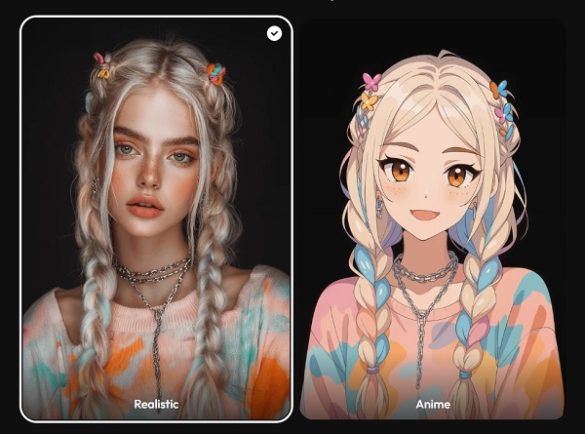
For visuals, you’ll get better results by describing style + silhouette + context than by trying to force a specific face.
Image prompt components that matter
- Style: cinematic portrait, anime, editorial photography, comic, 3D render
- Sport cues: uniform-like outfit (without real logos), gloves, racket, ball, track lanes, arena lighting
- Mood: focused, post-win calm, training grind, tunnel walk
- Composition: close-up portrait, full-body action pose, “poster shot”
- Details: sweat, chalk hands, tape wraps, stadium bokeh, dramatic rim light
Example image prompt (safe, high-quality)
Cinematic portrait of a fictional elite athlete, fan-inspired champion energy, neutral modern sportswear with no logos, intense focused gaze, stadium lights in the background, shallow depth of field, realistic skin texture, subtle sweat, dramatic lighting, high detail, editorial style.
If you want “idol vibes,” add one distinctive non-identity detail
For example:
- “calm smile after a comeback”
- “hands taped, minimalist jewelry”
- “signature color palette: black and gold”
- “a small lucky charm on the wrist”
This creates recognizability without copying a real person.
6) Keep consistency across chat and images
Most people fail at “consistent character” because they change too many variables at once. Instead:
- Reuse the same three anchors every time: voice, values, and vibe.
- Keep a short “Do / Don’t” list:
○ Do: coach me, tease lightly, focus on discipline, ask about my goals
○ Don’t: claim you are a real athlete, mention real teams/contracts, use brand logos
When generating multiple images, keep repeating the same physical descriptors (hair length, build, outfit type, lighting style). Consistency is repetition, not creativity.
7) What users actually do with these characters (the popular use-cases)
Athlete-inspired characters tend to fall into a few high-engagement patterns:
- Motivation coach: daily check-ins, accountability, pre-workout hype
- Mental performance partner: visualization scripts, confidence routines, “reset after mistakes”
- Roleplay storytelling: training camp arcs, comeback seasons, rivalry narratives
- Comfort companion: handling anxiety before competitions, support after losses
- Fan fantasy (non-deceptive): “what would it be like to talk to a champion mindset”
The strongest characters combine two roles: mentor + companion.
8) Safety, respect, and realism: the rules that protect you
If you’re modeling a character after real-world athletes:
- Don’t present it as official, real, or endorsed. Keep it explicitly fictional and fan-inspired.
- Avoid sexual content that imitates identifiable real people. If any athlete could be under 18, avoid adult content entirely.
- Don’t use the character to give medical advice (injuries, supplements, mental health treatment). Keep it motivational and general.
These constraints don’t weaken the experience—they make it sustainable.
9) A ready-to-use prompt pack (paste, then customize)
Character core
You are a fictional, fan-inspired elite athlete character. You motivate me with discipline and calm confidence. You speak in concise sentences and give actionable steps. You never claim to be a real celebrity. You respect boundaries and consent. Your tone is supportive, competitive, and quietly humorous.
Daily training check-in
Ask me what I trained today. If I didn’t train, give me a realistic 15-minute plan and a mindset reset. End with one short mantra.
Pre-competition routine
Guide me through a 2-minute breathing reset, then a 60-second visualization, then a short confidence script.
After a bad day
Help me analyze the loss without shame: one lesson, one adjustment, one thing I did right.